Vinyl siding has become the go‑to exterior cladding for homeowners who want a low‑maintenance, weather‑resistant material that also boosts curb appeal and energy efficiency. If you’re weighing options, the quickest way to decide is to compare vinyl’s durability, cost‑effectiveness, and aesthetic flexibility against traditional wood or fiber‑cement alternatives. Studies from the National Association of Home Builders (NAHB) show that homes with vinyl siding sell 8 % faster on average, and the material’s insulating properties can lower heating bills by up to 12 % in colder climates. For a deeper dive into how to pick the right product, see our guide on choosing the right siding.
Why Vinyl Siding Remains a Top Choice in 2026
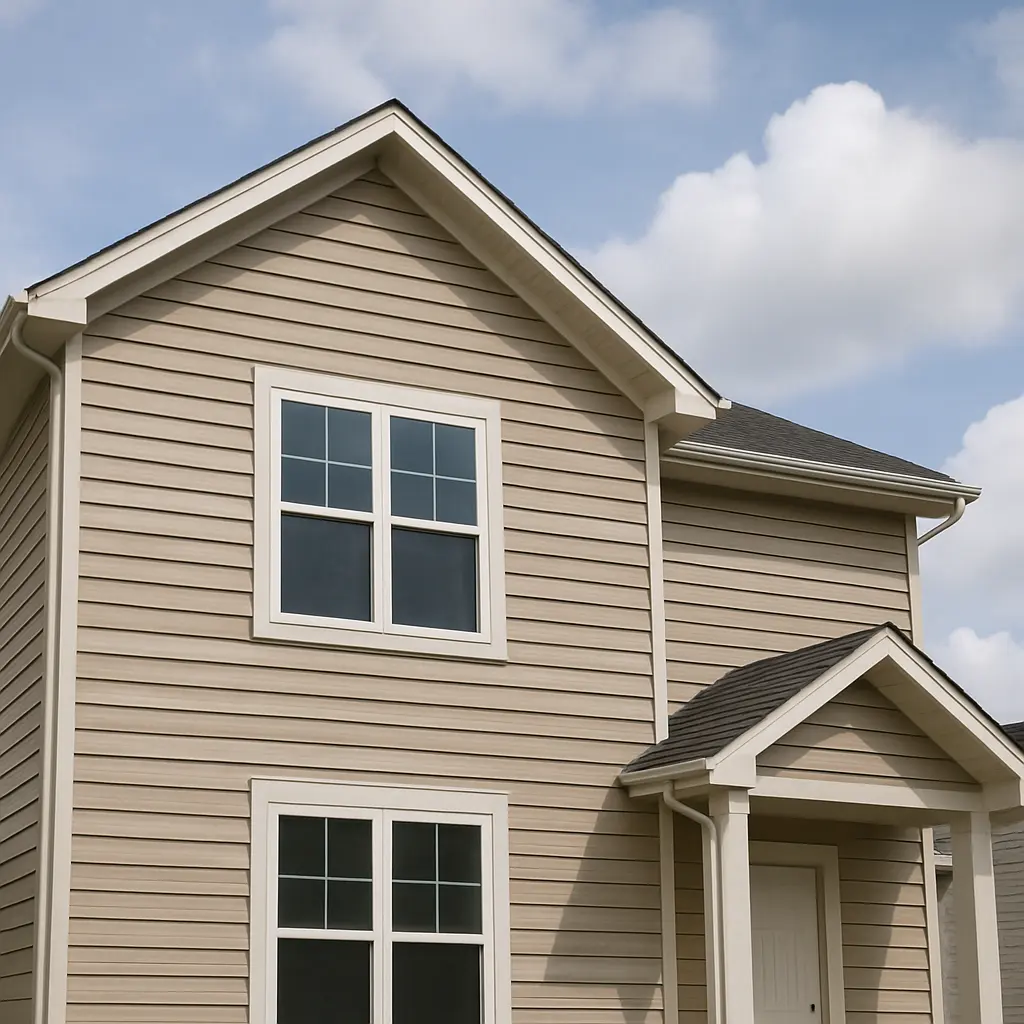
Three factors keep vinyl siding at the forefront of exterior renovation projects: its virtually maintenance‑free nature, advances in PVC formulation, and an ever‑growing palette of styles. Modern vinyl panels are engineered with UV‑resistant additives that prevent fading for up to 30 years, according to a 2025 report by the Vinyl Siding Institute (VSI). This longevity translates into fewer paint jobs and lower lifecycle costs compared with wood siding, which typically requires repainting every 3‑5 years.
Energy‑efficient designs have also taken center stage. Integrated foam backings and “thermal break” technology create an extra barrier against heat transfer, a feature highlighted in the 2024 Energy Star Home Improvement guide. Homeowners in the Midwest reported an average reduction of 1,200 kWh per year after installing insulated vinyl siding, per the U.S. Department of Energy’s 2025 residential energy survey.
Table of Contents
- Why Vinyl Siding Remains a Top Choice in 2026
- Key Advantages Over Competing Materials
- How to Choose the Right Vinyl Siding for Your Home
- 1. Assess Climate Compatibility
- 2. Match Architectural Style
- 3. Evaluate Insulation Needs
- 4. Verify Warranty Coverage
- Installation Process: What Homeowners Should Expect
- Preparation
- Panel Attachment
- Finishing Touches
- Common Pitfalls and How to Avoid Them
- Improper Expansion Gaps
- Poor Weather Sealing
- Choosing the Wrong Thickness
- Real‑World Case Study: A Suburban Renovation
- Frequently Asked Questions
- Is vinyl siding recyclable?
- Can vinyl siding be painted?
- How long does installation typically take?
- What maintenance does vinyl siding actually require?
- Future Trends: What’s Next for Vinyl Siding?
- Conclusion: Is Vinyl Siding Right for You?
Key Advantages Over Competing Materials
- Low Maintenance: No sanding, staining, or regular sealing required.
- Weather Resistance: Resistant to rot, insects, and moisture penetration.
- Cost Efficiency: Material costs average $3‑$7 per square foot, with installation adding $2‑$5 per square foot (HomeAdvisor, 2026).
- Design Flexibility: Available in over 400 colors and a range of textures that mimic wood grain, stone, or brick.
- Eco‑Friendly Options: Recycled PVC content now reaches 30 % for many premium brands (VSI, 2025).
How to Choose the Right Vinyl Siding for Your Home
The selection process goes beyond picking a favorite hue. Consider the climate, architectural style, and budget constraints.
1. Assess Climate Compatibility
In regions with extreme temperature swings, look for “double‑lock” panel designs that expand and contract without warping. The NAHB’s 2025 Climate‑Specific Siding Report recommends a minimum 0.5‑inch thickness for homes in the Pacific Northwest to combat moisture infiltration.
2. Match Architectural Style
Colonial‑style houses often benefit from a board‑and‑batten vinyl profile, while modern ranch homes look sleek with horizontal lap siding. Many manufacturers now offer “designer” collections that replicate shiplap and cedar shake appearances while retaining vinyl’s durability.
3. Evaluate Insulation Needs
If energy savings are a priority, opt for insulated vinyl siding with an R‑value of 2.0 – 2.5. According to the 2026 Residential Energy Consumption Survey, insulated vinyl can contribute up to 15 % of a home’s overall thermal performance when paired with proper sealing.
4. Verify Warranty Coverage
A reputable warranty should cover color fading for at least 20 years and structural defects for 30 years. Brands like CertainTeed and Alside provide transferable warranties that add resale value—an important point highlighted in our siding warranty comparison article.
Installation Process: What Homeowners Should Expect
Professional installation typically follows a three‑step sequence: preparation, panel attachment, and finishing touches. Below is a concise walkthrough that can help you gauge the scope of work and coordinate with contractors.
Preparation
- Inspect the existing substrate for damage; replace any rotted sheathing.
- Apply a weather‑resistant barrier (e.g., house wrap) to improve moisture control.
- Measure and order siding panels with a 2‑inch over‑lap to accommodate expansion.
Panel Attachment
Most installers use a “nail‑sleeve” system that secures panels without penetrating the full thickness, allowing for natural movement. The recommended fastener spacing is 16 inches vertically and 24 inches horizontally, per the Vinyl Siding Installation Handbook (VSI, 2025).
Finishing Touches
- Install trim pieces (corner, soffit, and J‑channel) to seal gaps.
- Caulk all seams with a silicone‑based sealant for added weatherproofing.
- Conduct a final inspection for alignment and secure fastening.
Common Pitfalls and How to Avoid Them
Even with a reputable contractor, mistakes can happen. Here are the most frequent errors and practical solutions.
Improper Expansion Gaps
Vinyl expands up to 0.25 inches in high heat. Failing to leave sufficient gaps can cause buckling. Verify that the installer leaves at least a 1/4‑inch gap at corners and around windows.
Poor Weather Sealing
Gaps in the house wrap or missed caulking points let moisture infiltrate, leading to mold. Use a moisture‑meter after installation to confirm a dry envelope.
Choosing the Wrong Thickness
Thin, budget‑grade siding may crack under wind load. In hurricane‑prone zones, the International Code Council (ICC) recommends a minimum 0.040‑inch panel thickness for compliance with wind‑uplift standards.
Real‑World Case Study: A Suburban Renovation
In a 2025 renovation of a 2,200‑sq‑ft ranch home in Austin, Texas, the owners replaced aging wood clapboard with insulated vinyl siding. The project cost $12,800, including labor, and delivered a 9 % reduction in annual cooling expenses, according to utility data from the Texas Public Utility Commission. Post‑installation surveys indicated a 93 % satisfaction rate, with homeowners praising the “new‑look” finish and the fact that they no longer needed to paint the exterior.
Frequently Asked Questions
Is vinyl siding recyclable?
Yes. Modern vinyl siding is made from PVC, which can be reprocessed. The Vinyl Siding Institute reports that 85 % of removed siding is reclaimed for recycling, reducing landfill impact.
Can vinyl siding be painted?
While technically possible, painting defeats the material’s low‑maintenance advantage. Paint may also void the manufacturer’s warranty if not approved.
How long does installation typically take?
For a standard 1,500‑sq‑ft home, professional crews usually complete the job in 3‑5 days, weather permitting.
What maintenance does vinyl siding actually require?
A simple annual rinse with a garden hose and occasional cleaning with a mild detergent keeps it looking fresh. Inspect for cracks after severe storms and replace damaged panels promptly.
Future Trends: What’s Next for Vinyl Siding?
Industry forecasts from Grand View Research (2026) predict a compound annual growth rate (CAGR) of 6.3 % for the vinyl siding market through 2032, driven by innovations such as “smart” siding that incorporates built‑in sensors for moisture detection. Additionally, manufacturers are experimenting with bio‑based plasticizers to further reduce the carbon footprint of PVC production.
As sustainability becomes a central concern for buyers, expect more “green‑certified” vinyl products that carry LEED‑compatible labels, offering homeowners an eco‑friendly path to curb‑appeal upgrades.
Conclusion: Is Vinyl Siding Right for You?
Vinyl siding delivers a compelling blend of durability, energy efficiency, and design versatility that aligns with the priorities of today’s homeowners. By selecting the appropriate thickness, insulation level, and color, and by partnering with a qualified installer, you can achieve a long‑lasting exterior that not only enhances resale value but also contributes to lower utility bills. For those seeking a practical, cost‑effective, and aesthetically pleasing solution, vinyl remains a front‑runner in the exterior cladding market.
Ready to start your project? Explore our siding cost calculator to get a personalized estimate, and read more about the latest trends in home exterior trends 2026.
